
Teenagers and adults · Uccle, Brussels
Orthodontics in Uccle for teenagers and adults
Crowding, gaps or an uneven bite: treatment cannot be chosen from a photograph alone. It takes account of your mouth, your priorities and your daily life.
The first assessment is designed to establish what is realistic in your case — and then compare the options before you decide.
Looking for advice for a young child? Learn about preventive orthodontics.
Clinical cases at Clinique Apolline
Before and after: three different goals
These examples show why there is no single ‘orthodontic outcome’. Tap a photograph to enlarge it; more cases are available just below.
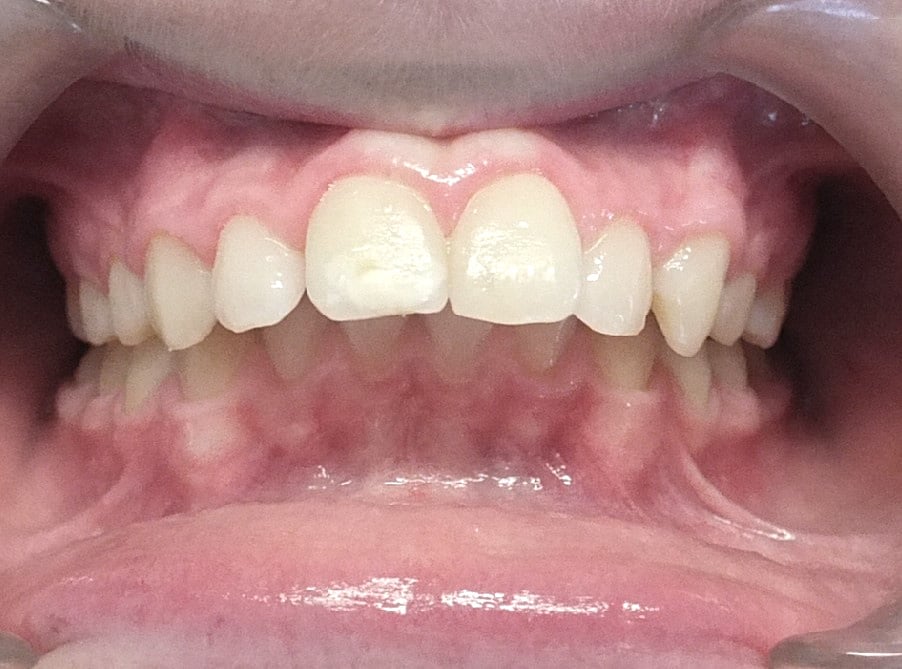
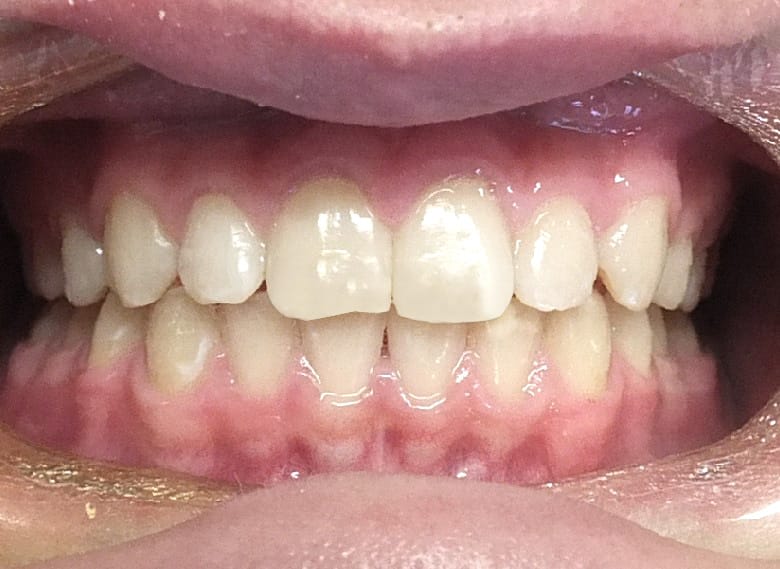
Correcting an open bite
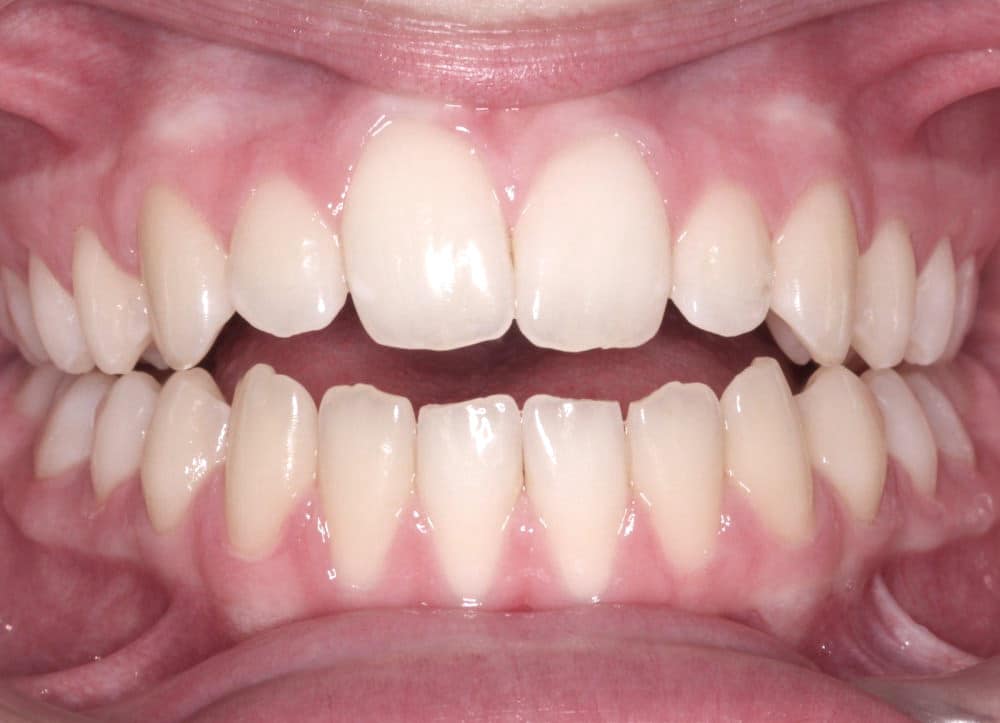
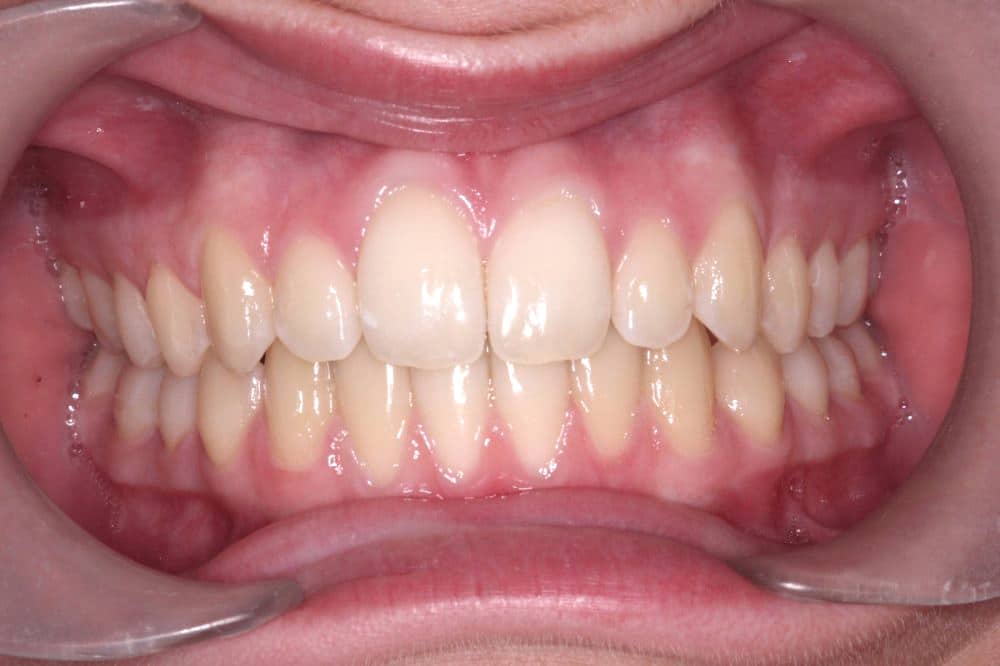
The space between the upper and lower front teeth was reduced to achieve a more balanced closure.
Aligning severe crowding

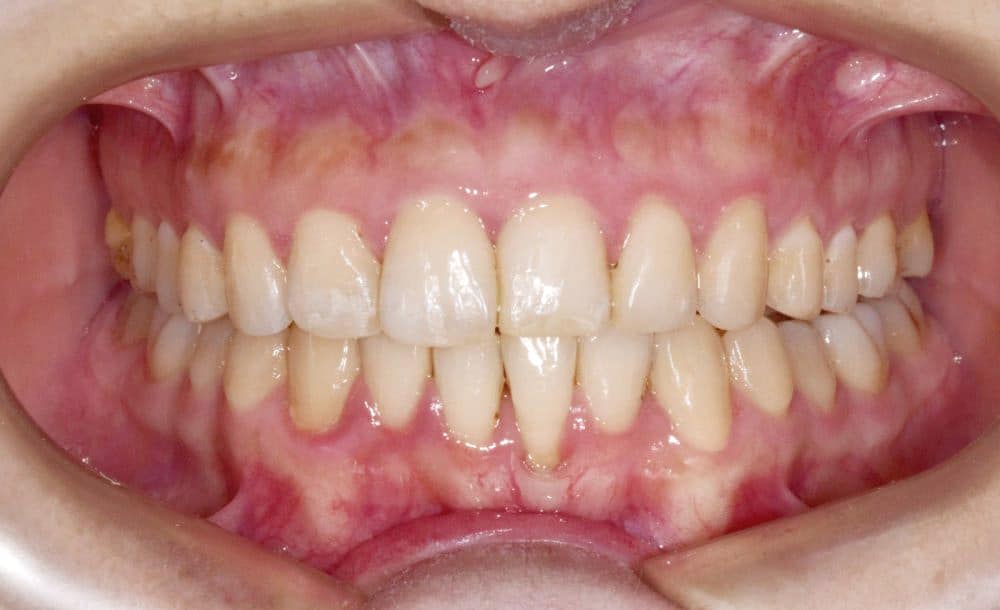
Alignment improved the position of the teeth and made certain areas easier to clean each day.
Closing a diastema
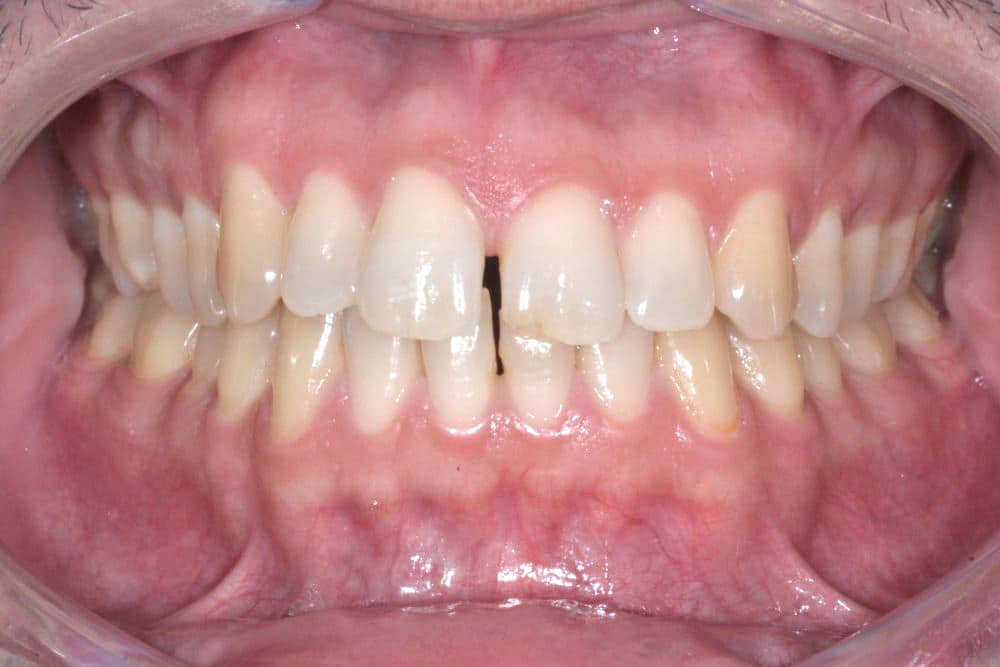
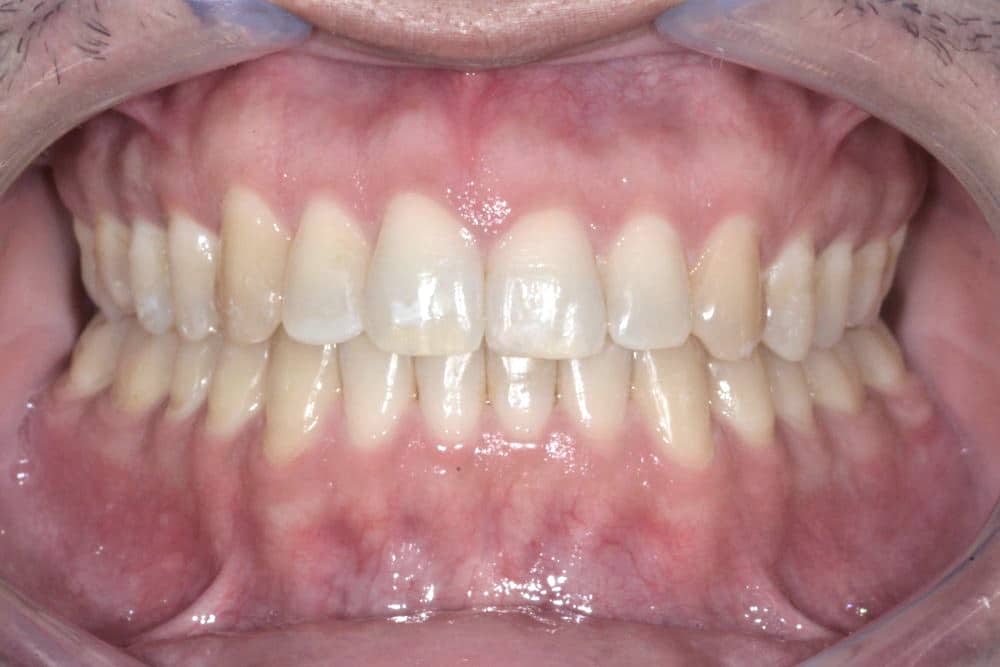
The space between the incisors was closed while taking the overall distribution of tooth contacts into account.
View 7 more before-and-after cases
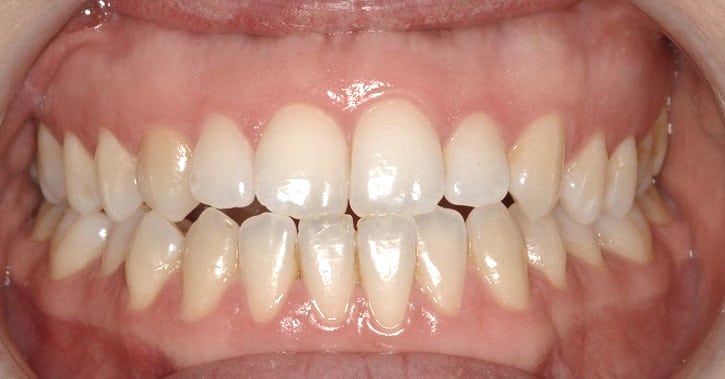
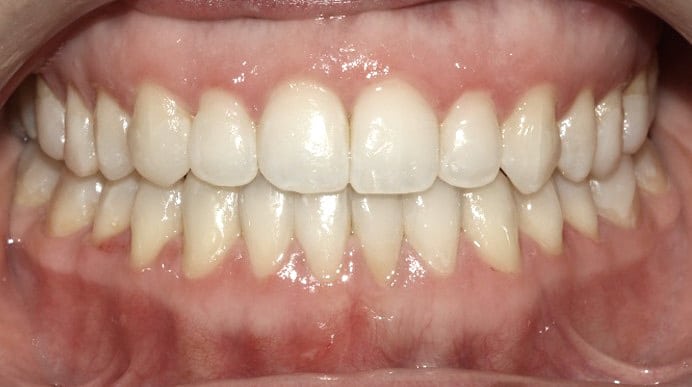
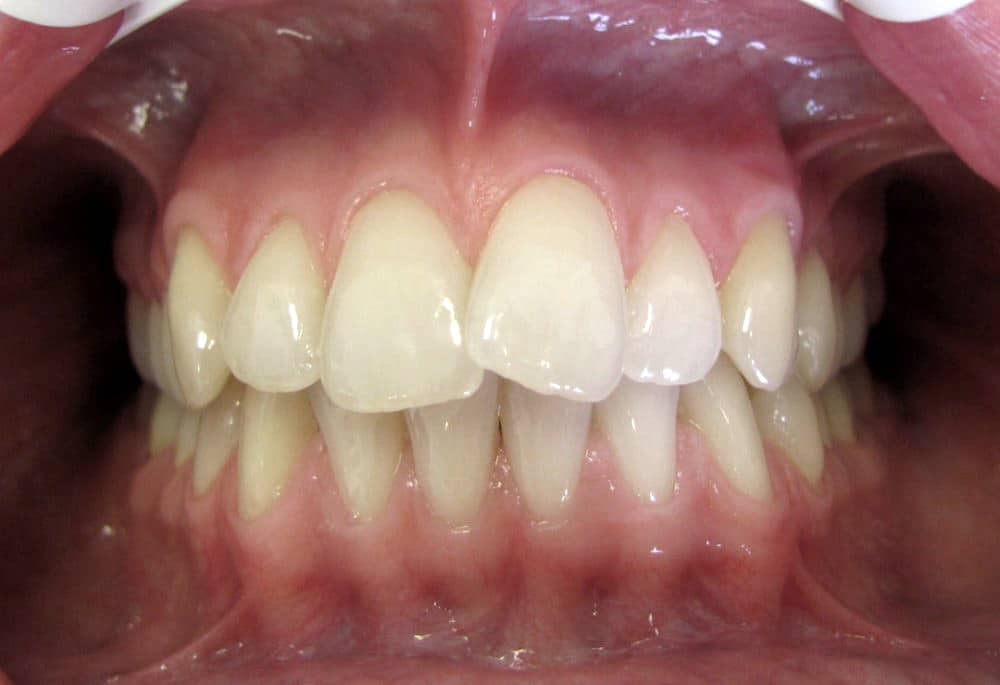
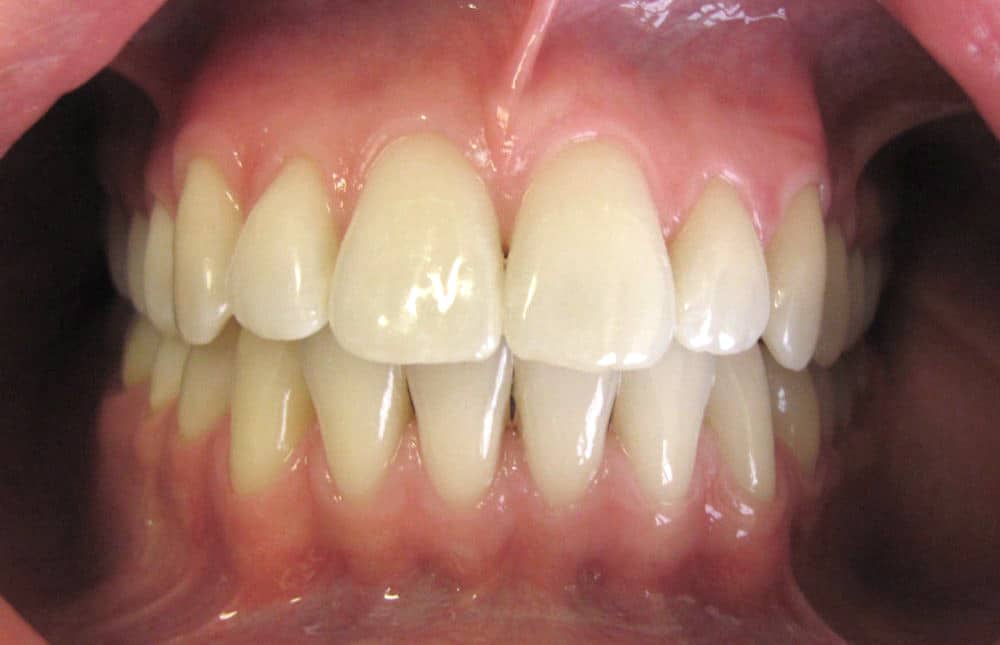
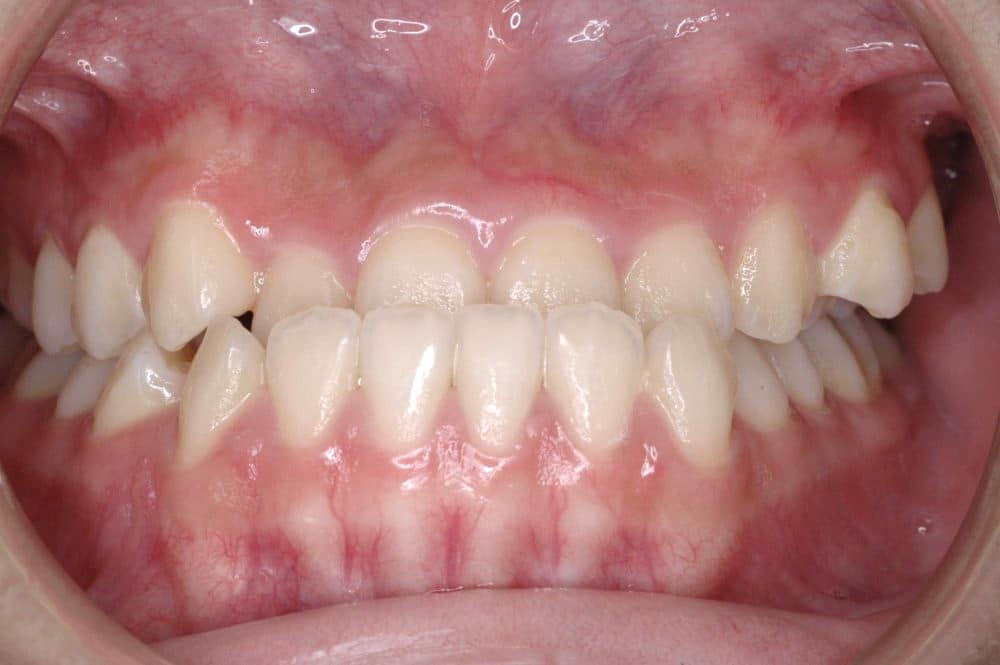
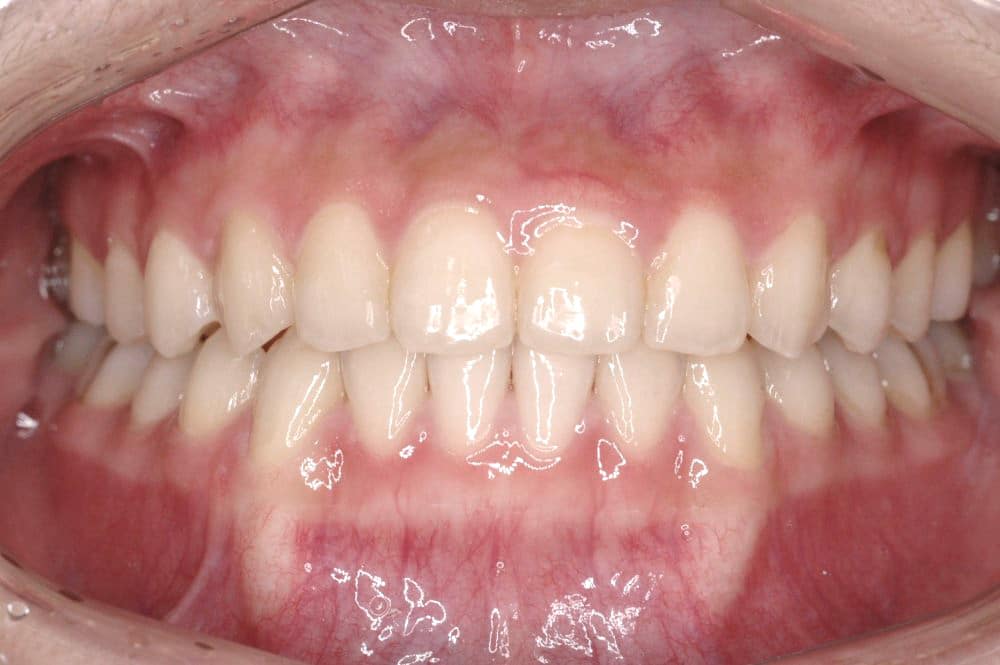
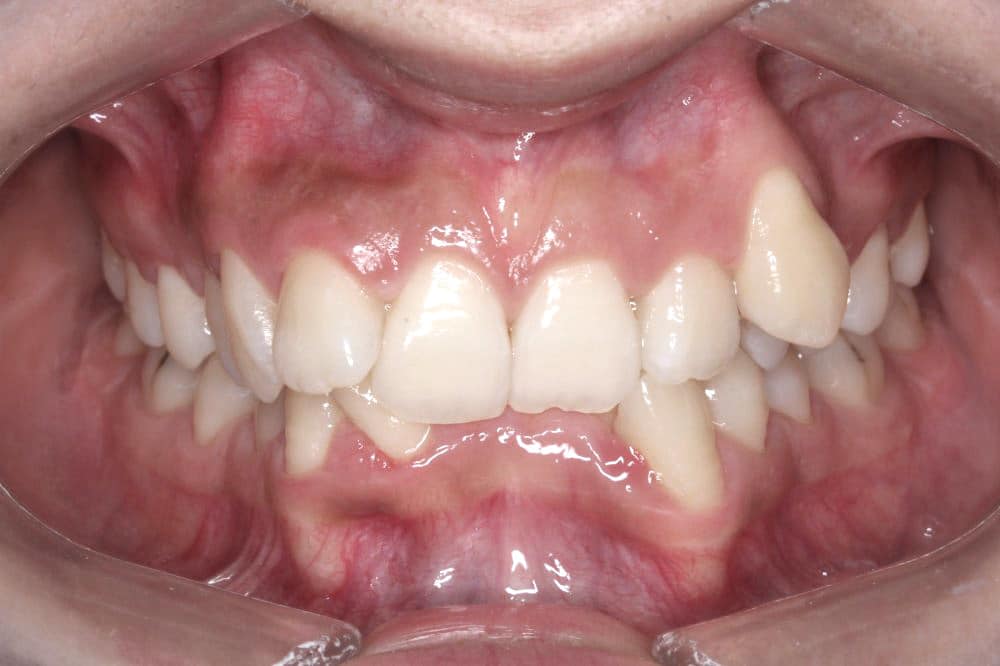
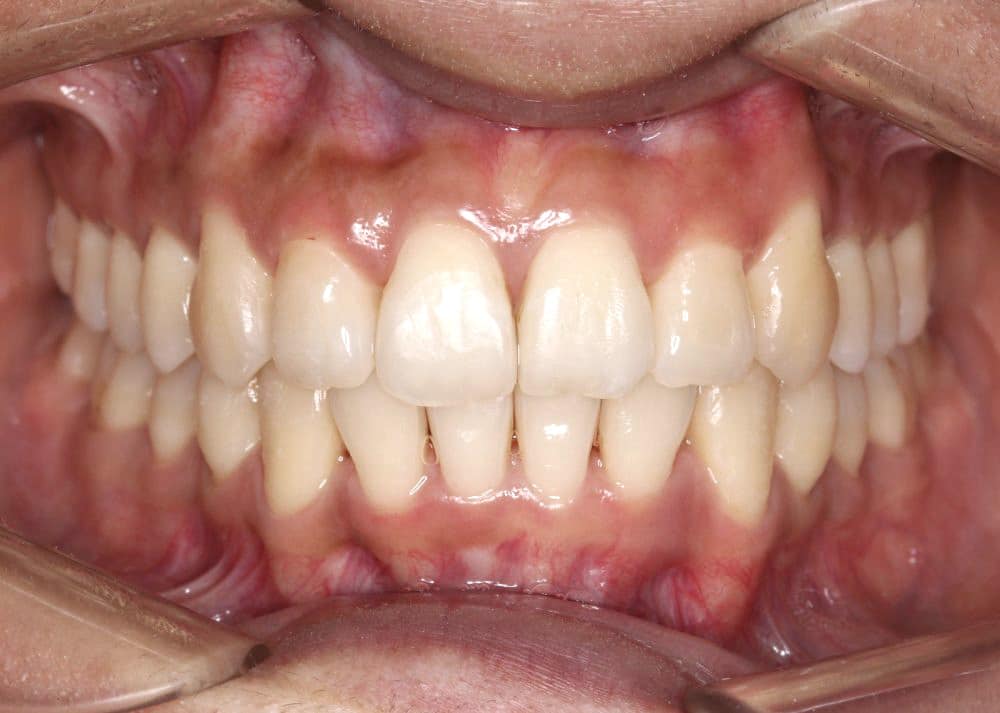
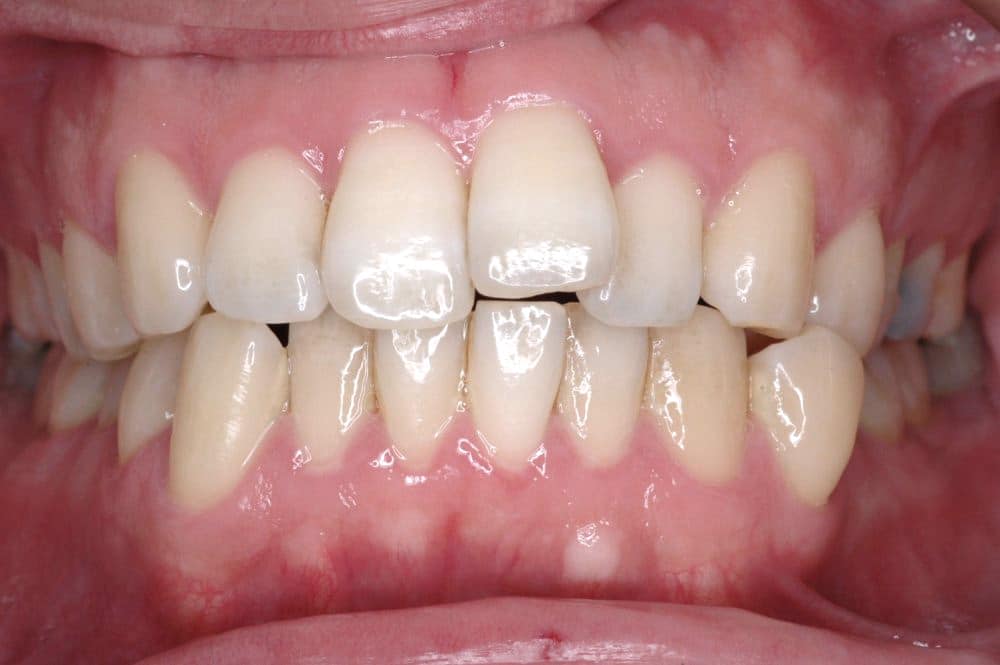

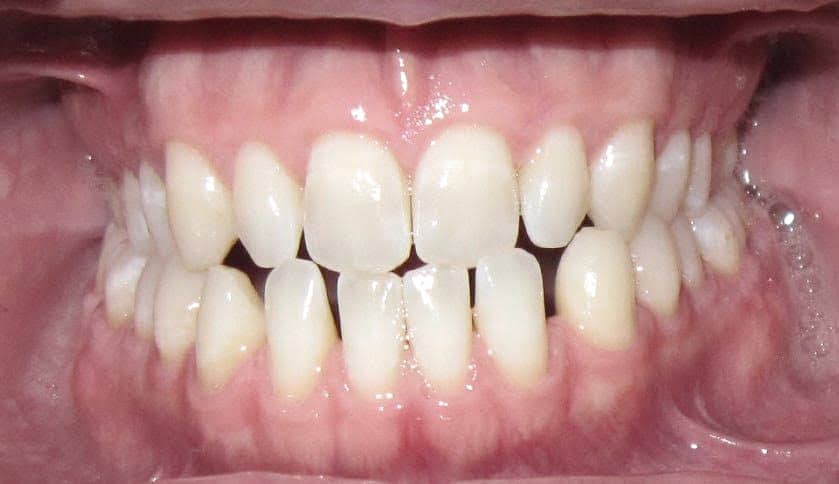

Does one of these situations feel familiar? Request an initial assessment →
Your priorities, followed by the diagnosis
What would you like to improve?
Your smile, bite, wear or cleaning: the assessment begins with your priorities.
- Tooth alignment
Crowded teeth, protruding incisors, gaps or a diastema: the assessment determines whether space should be created, certain gaps closed or space redistributed.
- Bite balance
An open bite, deep bite or crossbite changes the way the upper and lower teeth meet.
- Impacted tooth or space preparation
Guiding a tooth or creating the space required for an implant, bridge or another treatment.
A photograph shows what is visible; the assessment looks for the cause. That cause may be dental, skeletal or a combination of both — and the options can differ considerably.
Three discreet approaches
Which appliance suits your daily life?
The technique that looks most discreet in a photograph is not necessarily the easiest to live with. We compare the movements required, oral hygiene and the practical demands of each option.

Removable
Clear aligners
They are removed for eating and brushing. Their effectiveness depends on consistent wear, often close to 22 hours a day; attachments and elastics may be visible.

Fixed
Ceramic braces
Placed on the outer surfaces of the teeth, the brackets work continuously. They are discreet but visible at close range and require careful cleaning.

Inner surface
Lingual orthodontics
Placed behind the teeth, the brackets are almost invisible from the front. The tongue and speech may need time to adjust; this technique is not suitable for every case.
From the first assessment to retention
The treatment journey is built around four stages, with only the examinations that are useful for your case.
Discuss and examine
We begin with what concerns you, then assess your teeth, gums, smile and the way your jaws close.
Record what matters
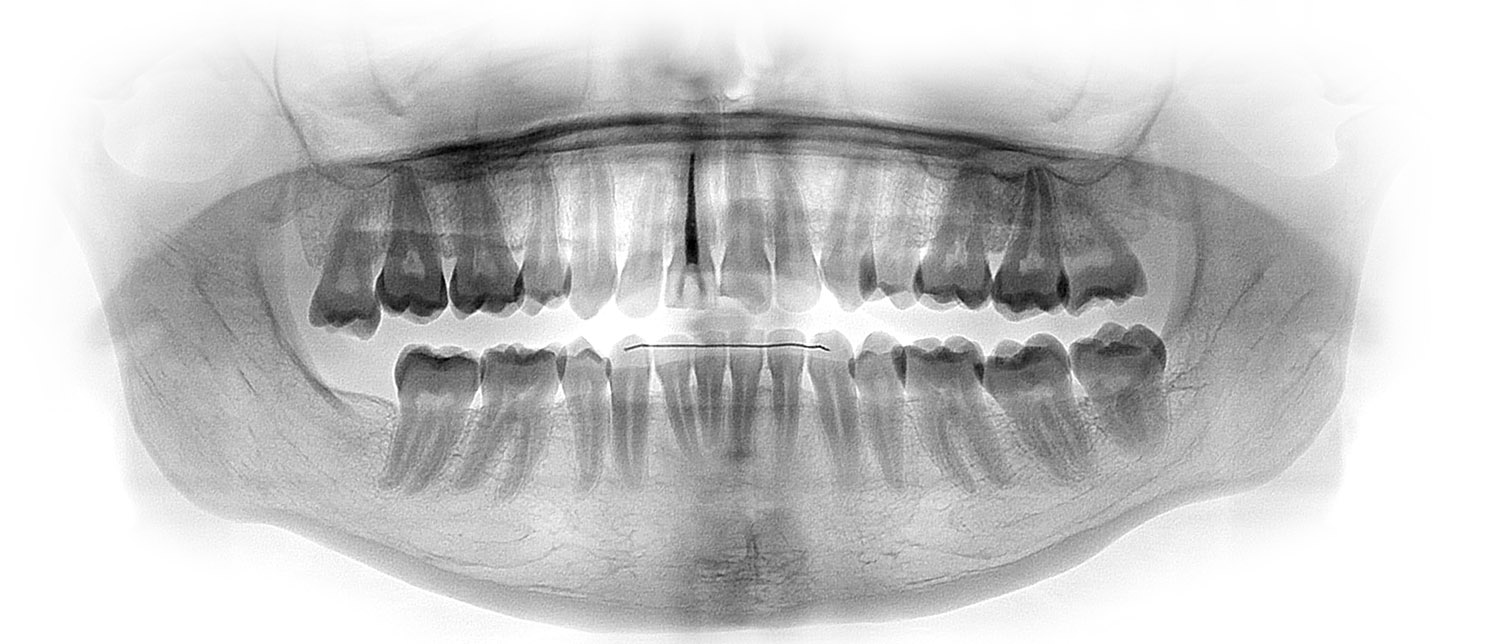
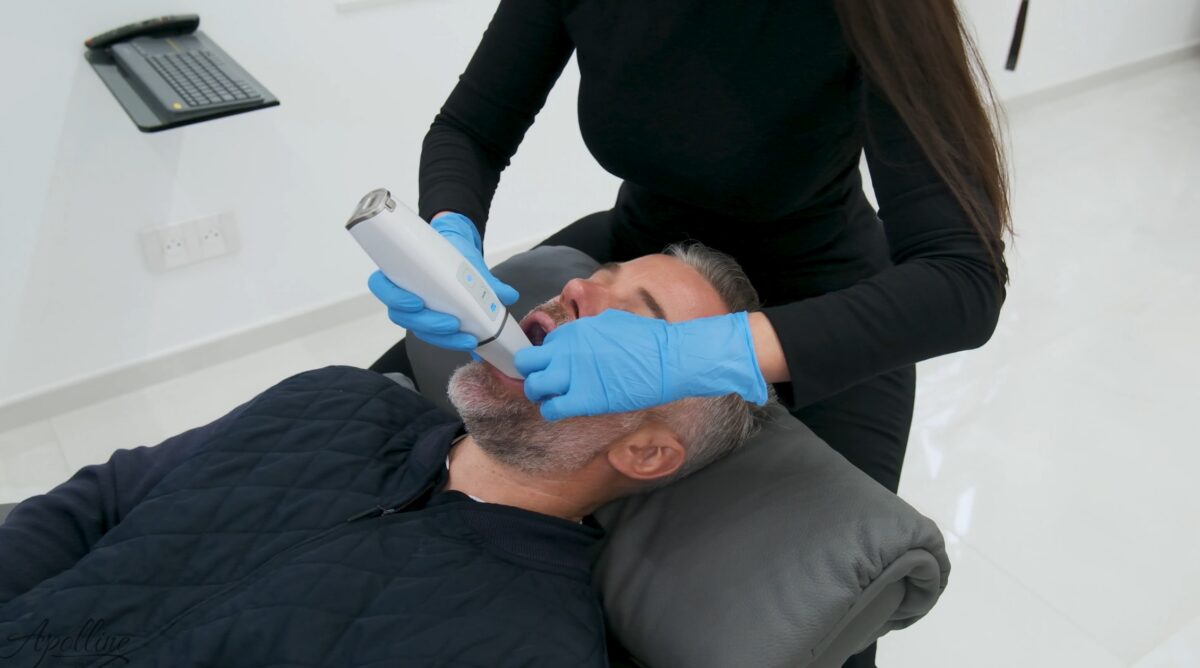
Depending on the case, photographs or a digital impression complement the examination so that the dental arches can be analysed accurately.
Compare before starting
Before you make any decision, we explain the recommended option, possible alternatives, their practical demands, the estimated duration and the quotation.

Treat, monitor, stabilise
Review appointments monitor tooth movement and allow the treatment to be adjusted when necessary.
Retention is not a final detail: it helps to limit relapse and requires maintenance and monitoring.
What matters during treatment
The outcome depends on the planned movements, as well as oral hygiene, wear of aligners or elastics and regular attendance at appointments.
Aligners and elastics need to be worn as prescribed. Repeated lapses can slow tooth movement or change the treatment schedule.
Active decay and gum disease must be treated or stabilised. Regular check-ups with your usual dentist continue during orthodontic treatment.
Appointments allow the treatment to be adjusted. If an appliance breaks, causes an injury or you have severe, persistent pain, contact the clinic without waiting for your next review.
Risks you should be aware of
Inadequate oral hygiene increases the risk of tooth decay, marks on the enamel and gum inflammation. Tooth movement may also be accompanied by some shortening of the roots, which is usually limited. An incomplete result or relapse remains possible. The risks specific to your case are explained before treatment begins.
Guide fees
The fee depends on the complexity, duration and stages required. A quotation is explained before any treatment begins. View Apolline’s fees.
Reimbursement in Belgium
For standard orthodontic treatment, compulsory health insurance generally requires treatment to begin before the age of 15. If treatment begins later, the required notification must have been submitted before that age. No compulsory orthodontic reimbursement is available after the age of 22.
For adults who did not previously establish entitlement, compulsory health insurance does not contribute. A mutual health fund or supplementary insurer may nevertheless offer some cover. Check your individual position with your provider and consult the official Belgian/INAMI information.
Learn more about Varsik Hakopian’s professional background and training, Dentist · practising orthodontics.
Questions our patients ask us
Professional sources used for this page
- British Orthodontic Society — orthodontics for adults
- British Orthodontic Society — clear aligners
- British Orthodontic Society — fixed appliances and duration
- British Orthodontic Society — risks of treatment
- British Orthodontic Society — retention
- NHS — orthodontic appliances
- Official Belgian/INAMI information — reimbursement rules in Belgium


