Lingual orthodontics
Lingual orthodontics
Lingual orthodontics (Incognito)
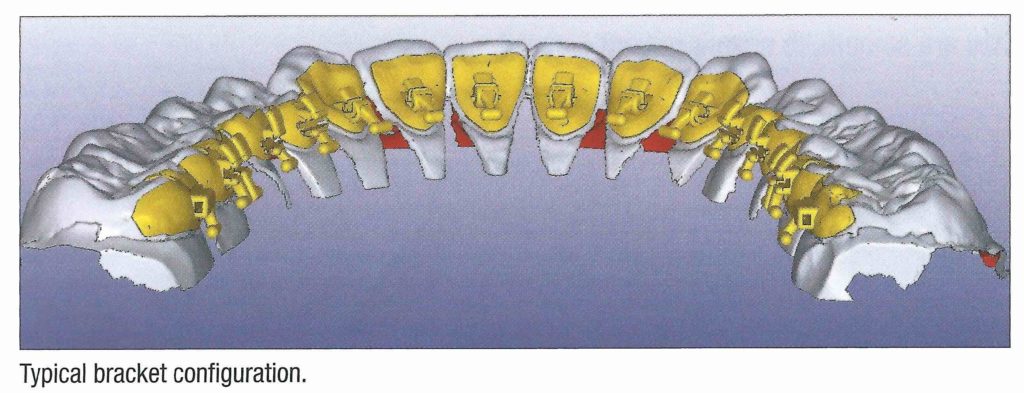
Lingual orthodontics with the Incognito method uses gold‑alloy metal brackets made to measure and bonded to the inner surface of the teeth—so they stay invisible. This approach can treat most tooth‑position issues that require orthodontics with excellent precision.
Today, more and more adults start a course of orthodontics in Brussels. Many people want an effective solution while avoiding the visible look of traditional braces. Teenagers are also increasingly focused on aesthetics, making lingual braces a discreet and relevant option.

What are the benefits of a lingual brace using the Incognito method?
The brackets are placed on the inner side, so people won’t see them—removing the aesthetic drawback. Even ceramic brackets remain noticeable when bonded to the outer surface. With Incognito, everything sits on the lingual side for maximum discretion.
With braces on the outer surface, a slightly changed enamel area can sometimes be seen after removal where brackets were bonded. Because that area is less exposed to saliva during treatment, it may look lighter. With the lingual technique this is much more limited: the inner surface is more resistant and, importantly, it isn’t visible.
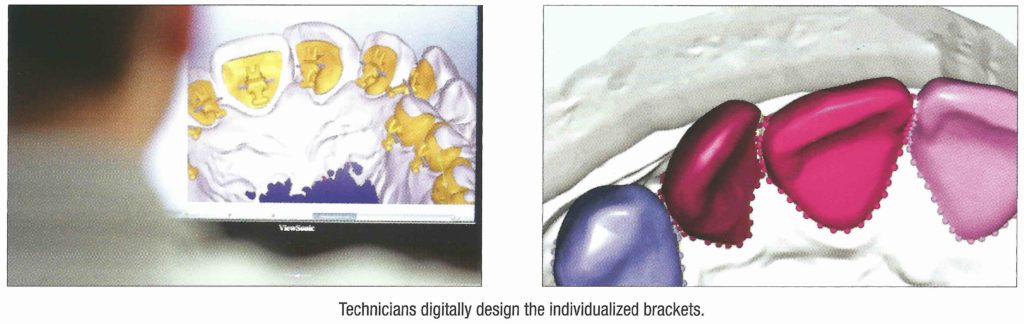
Incognito brackets are made in a gold alloy and designed entirely to measure. They incorporate the information needed for the treatment plan. Position, shape and thickness are calculated digitally to deliver a precise, efficient and as‑comfortable‑as‑possible treatment.
Before starting lingual orthodontics, we take a highly accurate impression using a high‑fidelity material. Your case is analysed in detail and the treatment parameters are sent to the lab that manufactures the brackets. The impression is then sent to Germany to produce a bespoke model of your teeth.
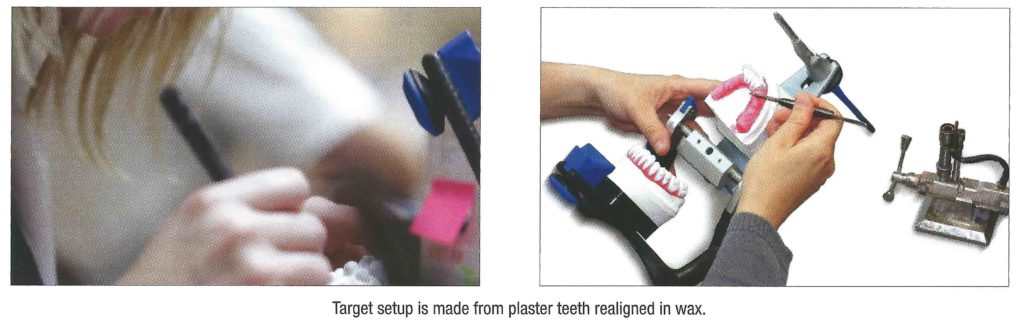
Before manufacturing, the lab prepares a simulation of the targeted end result. At Clinique Apolline this is done digitally using powerful software, making the analysis faster and more precise. The final plan is validated by both your orthodontist and you. If something doesn’t fit, the simulation is adjusted and a new version is requested. Once approved, the lab can start manufacturing the brackets.
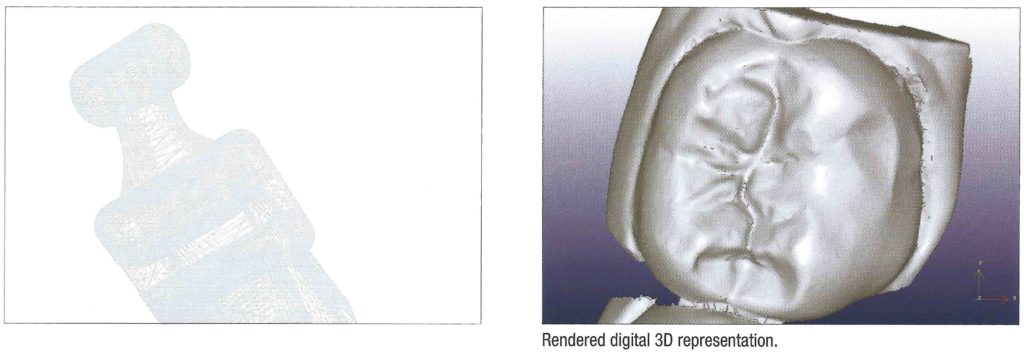
At the lab, a very high‑resolution scanner digitises your model in 3D. Using several angles and axes, it reconstructs a complete three‑dimensional image, resulting in a faithful digital representation of your teeth.
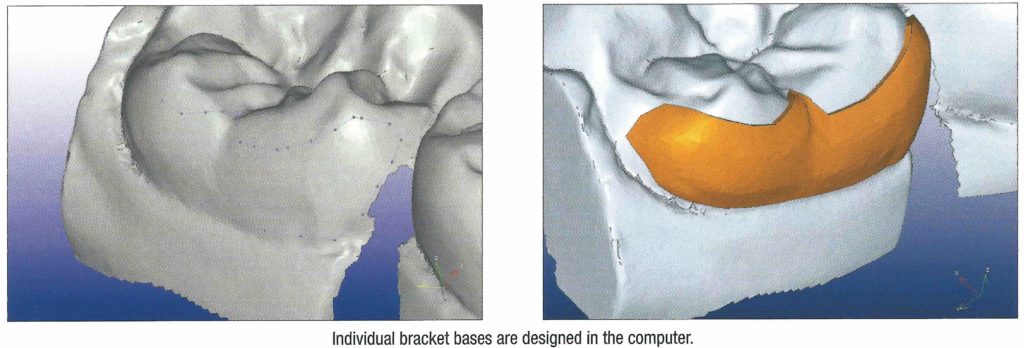
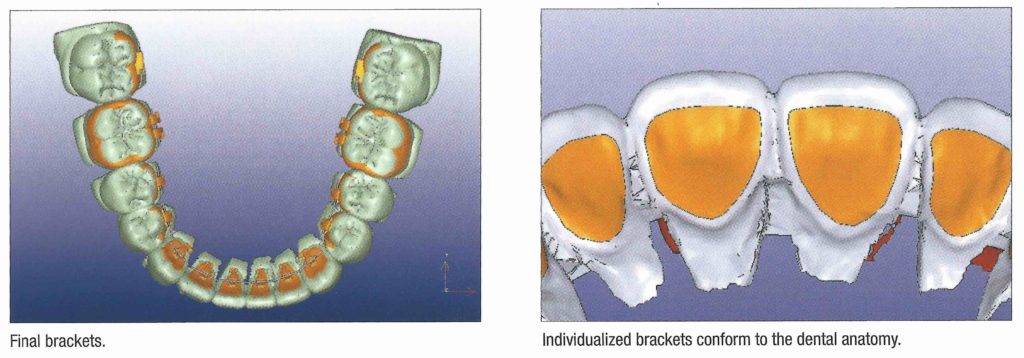
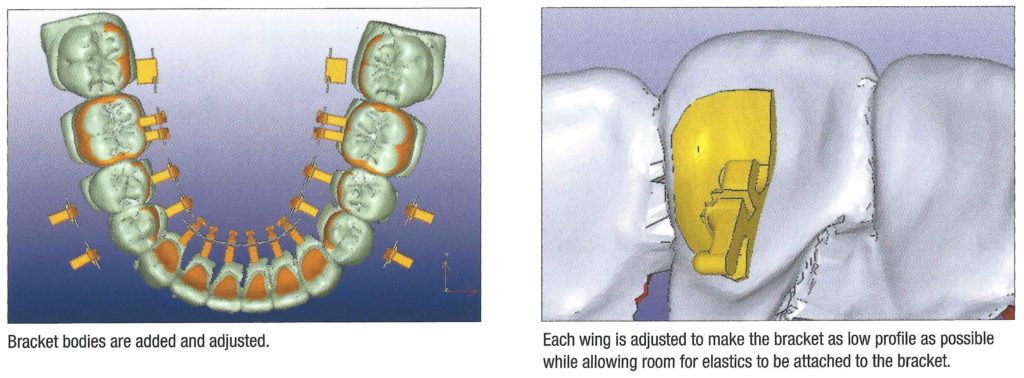
Replicas are produced using ultra‑precision machines. A gold alloy is then cast to obtain the final shape. Each bracket is polished individually so it feels smooth and causes minimal irritation.
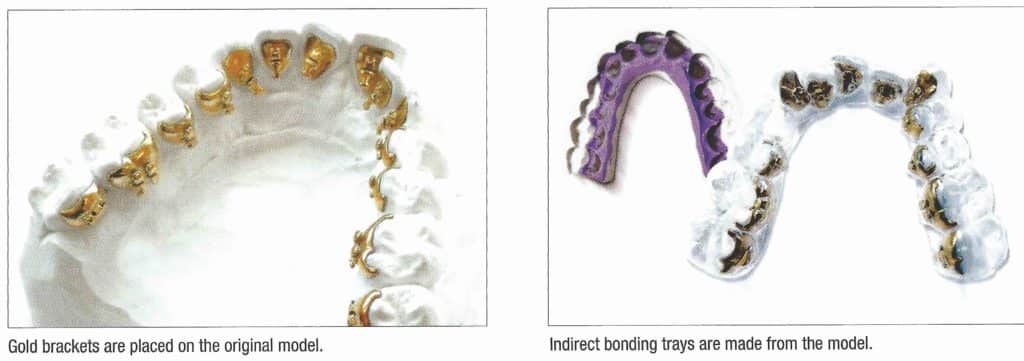

Beyond the advantages already mentioned, specific brackets can be designed to overcome an anatomical challenge or address a particular need.